


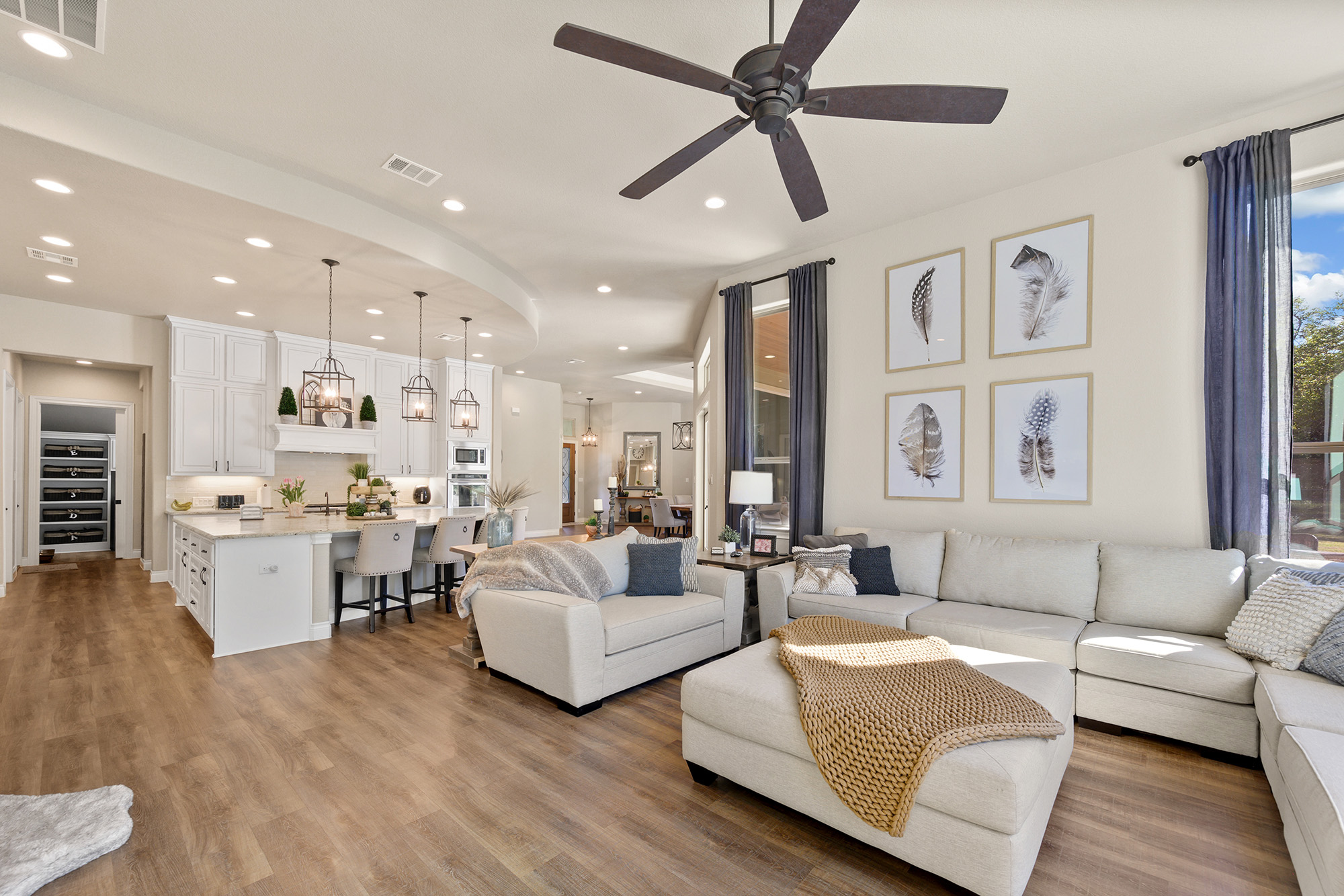
Wood flooring brings warmth, character, and a timeless appearance to a home, but not every wood floor tells the same story. Solid hardwood and reclaimed wood are two appealing choices, especially for homeowners who appreciate natural materials. While both offer distinctive beauty, they differ in sourcing, appearance, maintenance, durability, and overall cost. Understanding these differences makes it easier to choose hardwood flooring that suits your home and lifestyle.
What Makes Solid Hardwood Different From Reclaimed Wood?
Solid hardwood flooring is manufactured from new lumber cut from trees such as oak, maple, hickory, and walnut. Each plank consists of one continuous piece of wood, giving it a traditional construction and natural grain pattern. Depending on the species and thickness, solid hardwood can often be sanded and refinished multiple times over its lifespan.
Reclaimed wood flooring comes from lumber salvaged from older buildings, barns, warehouses, factories, or other structures. Instead of using newly harvested timber, manufacturers give existing wood another purpose. The material may show nail holes, saw marks, weathering, knots, and color variations that create a distinctive appearance.
One important distinction is that reclaimed wood describes the material's previous use, not necessarily its construction. Some reclaimed flooring is solid wood, while other products are engineered with a reclaimed wood surface. Always check the product specifications before comparing options.
Comparing Appearance and Design Character
The visual difference between these flooring types is often the deciding factor. Solid hardwood provides a relatively consistent appearance, although natural variations remain part of its appeal. You can select a species, grade, stain, and finish to create anything from a light, understated floor to a rich, traditional interior.
Reclaimed hardwood offers a more weathered and individual look. Its history becomes part of the finished surface. Older timber may have deeper grain patterns, unusual color variations, and marks that would be considered imperfections in newly manufactured flooring.
Consider the atmosphere you want to create:
Solid hardwood: Works well in traditional, transitional, contemporary, and minimalist interiors.
Reclaimed wood: Complements rustic, farmhouse, industrial, vintage, and eclectic designs.
Wider planks: Can emphasize the natural grain and character of either material.
Mixed tones: Add visual interest but may require more thoughtful coordination with cabinets and furnishings.
Before purchasing, examine several planks together. A single sample may not reveal how much variation will appear across an entire room.
Which Flooring Offers Better Durability?
Both materials can provide long-term performance, but their durability depends on more than age or appearance. Solid hardwood is generally known for its ability to withstand years of residential use. Scratches, dents, and worn finishes can often be addressed through refinishing, provided enough wood remains above the tongue-and-groove construction.
Harder species, such as hickory, generally resist denting better than softer species, such as pine. Reclaimed wood can also be extremely durable. Some older timber comes from slow-growing trees with dense grain structures. However, age alone does not guarantee strength. Previous exposure to moisture, insects, chemicals, or structural stress may affect its condition.
Look for these details when evaluating reclaimed flooring:
Whether the wood has been properly inspected and prepared.
Whether nails, fasteners, and other metal fragments have been removed.
Whether the planks have been kiln-dried or otherwise stabilized.
Whether the manufacturer provides information about the finish and construction.
Whether the product is suitable for the intended room.
Both options respond to indoor humidity changes. Wood can expand when moisture levels rise and contract when the air becomes dry. Consistent indoor conditions and appropriate installation help reduce seasonal movement.
Understanding the Cost Difference
Solid hardwood and reclaimed wood can occupy different price ranges depending on species, availability, grade, construction, and manufacturing. Standard solid hardwood may offer a more predictable selection and pricing structure. Common species are generally easier to source than unusual or historically significant lumber. However, premium species, specialty finishes, and wider planks can increase material costs.
Reclaimed wood may cost more because sourcing, cleaning, inspecting, preparing, and milling salvaged lumber requires additional work. Limited quantities and unusual dimensions can also affect pricing. Some reclaimed products, however, may be competitively priced depending on their origin and condition.
Remember that material cost is only part of the project. Compare the complete estimates, including:
Flooring quantity and waste allowance.
Subfloor preparation.
Underlayment and installation materials.
Labor and installation requirements.
Transitions, moldings, and finishing details.
Reclaimed flooring may also require additional sorting or preparation, so confirm what the quoted price includes.
Consider Your Home's Conditions Before Choosing
In a dry climate, wood flooring still needs proper acclimation and indoor humidity management. The low humidity often experienced in desert environments can encourage wood to lose moisture and shrink. Gaps between planks may become more noticeable if conditions are not managed appropriately.
Solid hardwood generally performs best in rooms with stable indoor conditions and controlled moisture exposure. Reclaimed wood requires similar care, along with attention to its previous condition and construction. Neither option is automatically the better choice for kitchens, bathrooms, or other moisture-prone spaces. Consider the manufacturer's room recommendations and installation requirements before making a decision.
Find the Wood Flooring That Fits Your Vision
The right hardwood flooring should complement your design preferences without creating unnecessary maintenance concerns. Solid hardwood offers familiar construction, refinishing potential, and a wide range of styles. Reclaimed wood brings history, texture, and individuality into a space. Both can be excellent choices when their construction and condition suit the project.
If you are comparing wood flooring options, contact Flooring and Beyond for guidance on available products and selection considerations. You can also visit Las Vegas, NV to examine samples, compare finishes, and find inspiration for your next flooring project. Whether your home is in The Lakes, North Las Vegas, Henderson, Blue Diamond, and Sloan, NV, the right starting point is a floor that looks beautiful and works for everyday living.
